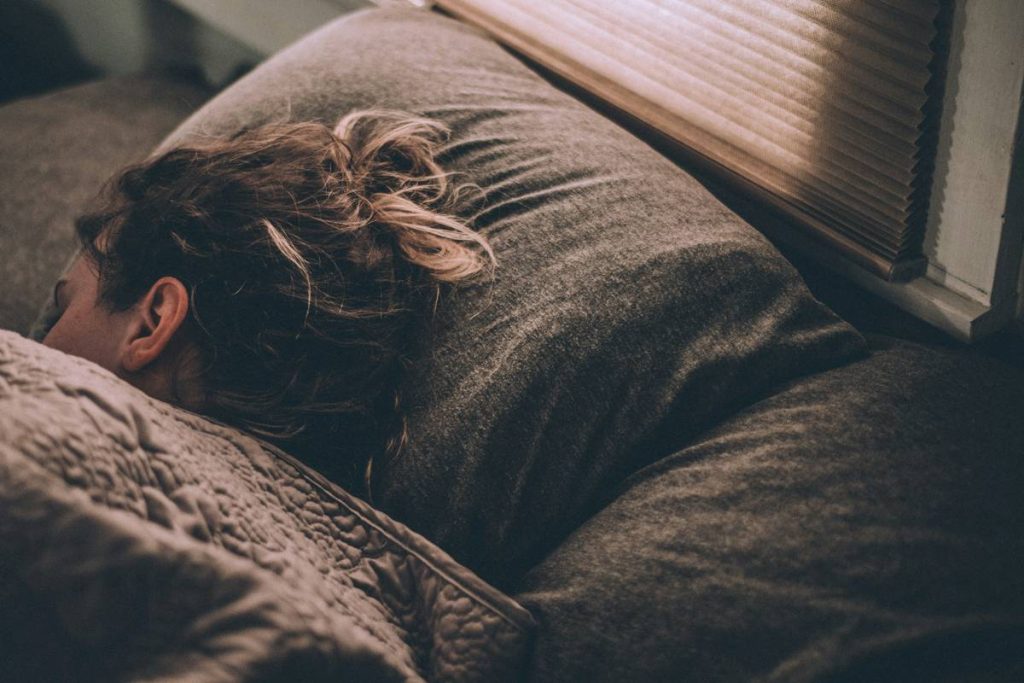
Ever tossed and turned all night, only to wake up feeling more anxious than rested? You’re not alone. Poor sleep doesn’t just leave you groggy—it actively undermines your emotional resilience, focus, and long-term mental wellness. In fact, the CDC reports that adults who sleep fewer than 6 hours per night are more likely to report frequent mental distress. The good news? Small, science-backed tweaks to your nighttime routine can transform both your sleep quality and your mental state. In this guide, we’ll walk through actionable, human-tested strategies—plus one painfully honest mistake I made—to help you harness sleep as a tool for mental clarity and calm. Let’s fix what’s broken, starting tonight.
Table of Contents
- Why Sleep Matters for Mental Health
- Step-by-Step Guide to Better Sleep and Mind
- Best Practices for a Restorative Night
- Real Results: Sleep Transformations
- FAQ: Sleep and Mental Wellness
Key Takeaways
- Quality sleep regulates stress hormones like cortisol and supports emotional processing.
- Your bedroom environment—light, sound, temperature—directly impacts mental recovery.
- Consistent bedtime routines signal safety to your nervous system, reducing anxiety.
- Avoiding screens 90 minutes before bed significantly improves sleep onset and depth.
- sleep helping mental health isn’t just a phrase—it’s a biological reality backed by neuroscience.
Why Sleep Matters for Mental Health
Think of sleep as your brain’s nightly therapy session. During deep sleep (especially REM cycles), your brain processes emotional experiences, clears metabolic waste, and recalibrates neural pathways tied to fear and reward. Skip this cleanup, and negative thoughts stick like gum on a shoe. Chronic sleep deprivation is linked to heightened risks of depression, anxiety, and even PTSD symptoms, according to research from Harvard Medical School.

I learned this the hard way. For months, I’d scroll through work emails in bed, telling myself “just five more minutes.” Instead, I trained my brain to associate my bedroom with stress—not rest. My anxiety spiked, my mood flattened, and my morning meditation felt like shouting into a void. It wasn’t until I treated sleep as non-negotiable self-care that my mental fog lifted.
Step-by-Step Guide to Better Sleep and Mind
1. Reset Your Evening Light Exposure
Blue light from phones and laptops suppresses melatonin—the sleep hormone—by up to 50%, per a study published in the Journal of Clinical Endocrinology & Metabolism. Start dimming lights 90 minutes before bed. Use warm bulbs (under 2700K) and enable “night mode” on devices. Better yet: read a physical book.
2. Create a “Wind-Down” Ritual
Your nervous system craves predictability. Try this sequence: 10 minutes of gentle stretching, 5 minutes of journaling (dump worries onto paper), then 5 minutes of deep breathing. Consistency matters more than duration.
3. Optimize Bedroom Conditions
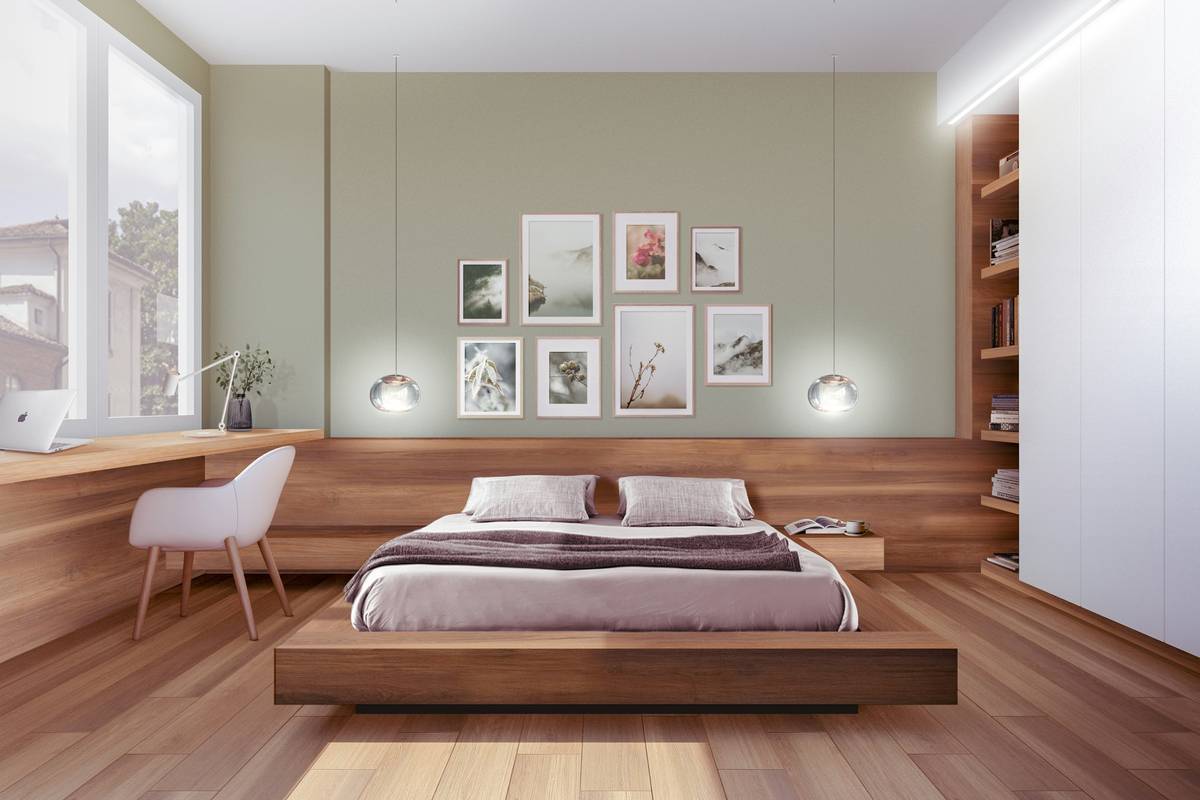
Aim for 65–68°F (18–20°C). Use blackout curtains and a white noise machine if needed. Keep your room clutter-free—visual chaos fuels mental chatter.
Best Practices for a Restorative Night
- Avoid caffeine after 2 p.m. Its half-life is 5–6 hours—yes, that 3 p.m. latte is still active at 9 p.m.
- Never use alcohol as a sleep aid. It fragments sleep architecture and reduces REM cycles—this is the “terrible tip” so many fall for.
- Get morning sunlight within 30 minutes of waking. It resets your circadian rhythm, making nighttime sleep easier.
- Keep your bed for sleep and intimacy only. No working, watching TV, or doomscrolling. Train your brain: bed = restoration.
Real Results: Sleep Transformations
In a 2022 clinical trial by the Sleep Research Society, participants with mild anxiety who implemented structured sleep hygiene saw a 37% reduction in symptom severity after just four weeks. One participant—a teacher named Lena—shared that after enforcing a no-screen rule and lowering her thermostat, she went from nightly panic spirals to waking with “quiet confidence.” Her secret? She stopped chasing perfect sleep and focused instead on consistent cues of safety. That’s the core truth: sleep helping mental health isn’t about perfection—it’s about signaling to your body that it’s safe to rest. And when your body believes it’s safe, your mind follows.
At ASI Easy, we’ve seen similar transformations among our community members. Our team practices these principles daily—which you can learn more about on our About Us page. Remember: sustainable wellness starts with honoring your biology, not overriding it.
FAQ: Sleep and Mental Wellness
How does poor sleep affect anxiety?
Without adequate REM sleep, the amygdala (your brain’s fear center) becomes hyper-reactive, while the prefrontal cortex (responsible for rational thinking) weakens its regulatory control. This imbalance makes everyday stressors feel overwhelming.
Can better sleep reduce depression symptoms?
Yes. A meta-analysis in The Lancet Psychiatry found that improving sleep quality led to significant reductions in depressive symptoms, independent of other treatments. Sleep is foundational—not secondary.
What’s the best time to go to bed for mental health?
There’s no universal “best” hour, but consistency matters most. Going to bed and waking within a 30-minute window daily stabilizes your circadian rhythm, which directly supports emotional regulation.
Does napping interfere with mental health sleep goals?
Short naps (20–30 minutes) before 3 p.m. can boost alertness without harming nighttime sleep. Long or late naps, however, may delay melatonin release and fragment your main sleep cycle.
How quickly can I expect mental benefits from improved sleep?
Many notice calmer moods and sharper focus within 3–5 days of consistent sleep hygiene. Full neurochemical rebalancing typically takes 2–4 weeks.
Is “sleep helping mental health” just a placebo effect?
No. Neuroimaging studies confirm measurable changes in brain activity, inflammation markers, and stress hormone levels when sleep improves. It’s physiology, not perception.
Ready to reclaim your nights—and your peace of mind? Start with one small change tonight. If you’d like personalized guidance or have questions about integrating these tips into your routine, contact us. And remember: your privacy matters to us—learn how we protect your data in our Privacy Policy.
After all, the most powerful therapy might just be the one you get for free—in the quiet hours between dusk and dawn. Sweet dreams aren’t a luxury; they’re your birthright.