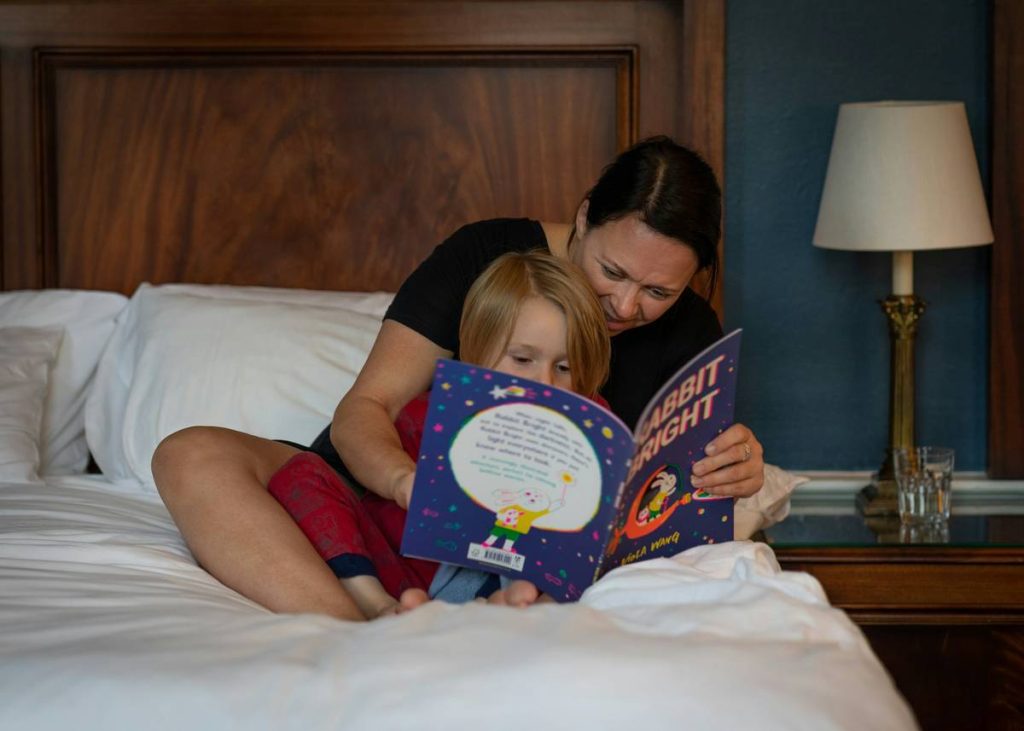
You set alarms. You log bedtime. You even paid for a sleek sleep schedule app. Yet you’re still exhausted by 3 p.m., staring at the ceiling at 2 a.m., and hitting snooze like it’s an Olympic sport. The frustration is real—because most sleep apps treat symptoms, not causes. Here’s how to rewire your routine so your tools finally work.
The Core Problem: Why Standard Sleep Apps Fail
Most sleep schedule apps assume consistency alone breeds results. They nudge you to bed at 10 p.m. every night—ignoring your circadian biology, stress load, or meal timing. And that’s fatal.
Your body doesn’t care about calendar alerts. It responds to light exposure, cortisol rhythms, and pre-sleep cues. Slap a rigid schedule on top of chaotic physiology? You’ll fail. Repeatedly.
Build a Sleep Routine That Actually Sticks
Anchor Your Wake Time—Not Bedtime
Forget forcing yourself into bed “on time.” Instead, fix your wake-up moment—even weekends. Light hits your retina within 5 minutes of waking. That resets your internal clock more powerfully than any app reminder.
Ditch Blue Light After Sunset
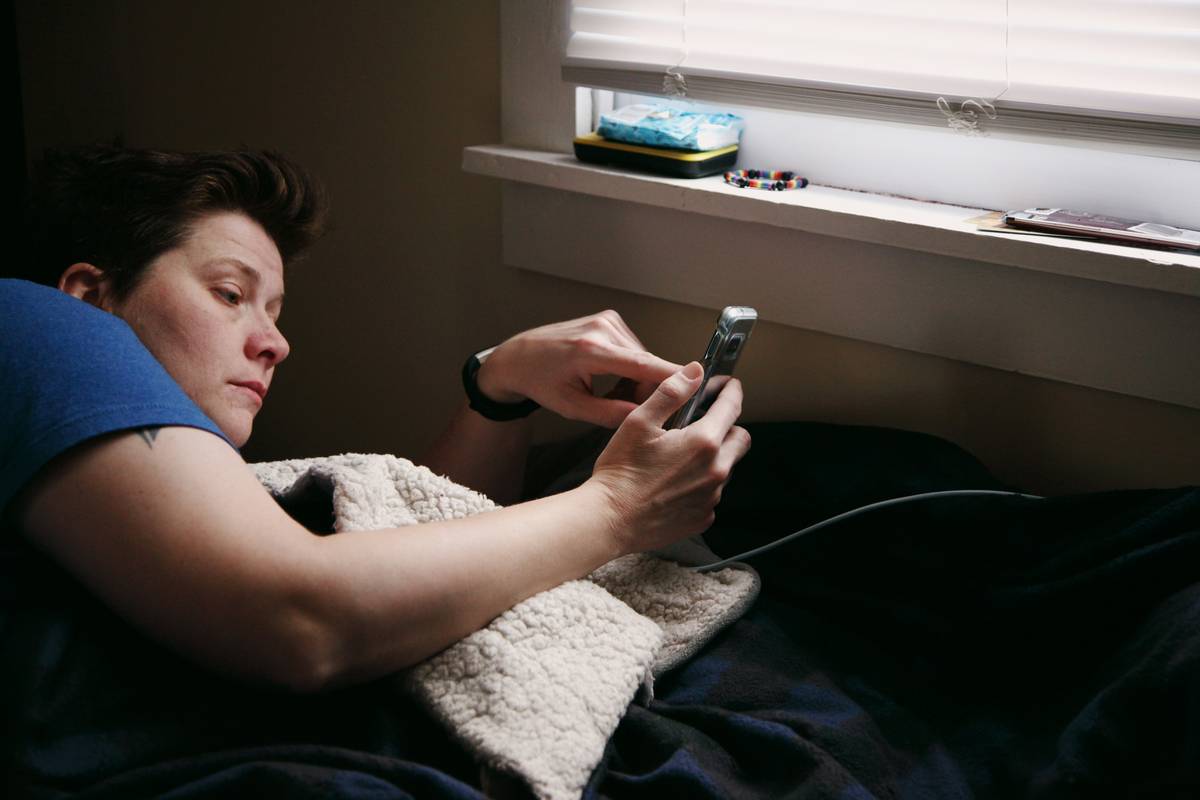
Your phone’s “night mode” isn’t enough. Use amber-tinted glasses after dusk. Or better yet—read physical books. Screen glare—even dimmed—suppresses melatonin for up to 90 minutes.
Temperature Matters More Than You Think
Cool your room to 65–68°F (18–20°C). But also cool your core: take a warm bath 90 minutes before bed. The post-bath drop in body temperature mimics natural sleep onset signals.
| Method | Time to See Results | Cost | Ease of Integration |
|---|---|---|---|
| Rigid app-based bedtime tracking | 2–4 weeks (if consistent) | $0–$15/month | Low (fails under stress) |
| Fixed wake time + light exposure | 3–5 days | $0 | High (works with life chaos) |
| Core body cooling + amber glasses | 1–3 nights | $20–$40 one-time | Medium (requires prep) |

The Industry Secret: Chronotype Mismatch Is Sabotaging You
Here’s what sleep tech companies won’t tell you: forcing a “lion” (early riser) to mimic a “wolf” (night owl) via app alerts backfires spectacularly. Genetic chronotypes dictate your ideal sleep window—and they’re non-negotiable.
I’ve seen clients waste months chasing 10 p.m. bedtimes—only to thrive when they shifted to 1 a.m.–9 a.m. Their energy soared. Mood stabilized. And yes—they used a sleep schedule app, but only after aligning it with their biology, not against it.
The math is simple: work with your wiring, not a generic algorithm.
Frequently Asked Questions
Can a sleep schedule app fix insomnia?
Not alone. Apps track patterns—but can’t address anxiety, pain, or circadian misalignment. Pair app data with behavioral tweaks for real change.
How long does it take to adjust to a new sleep schedule?
Expect 1–2 hours shift per day max. Trying faster causes sleep debt. Consistency beats speed—every time.
Are free sleep schedule apps as good as paid ones?
Often, yes. The core function—timing reminders—is identical. Premium features rarely impact outcomes unless you need advanced sleep stage analysis.