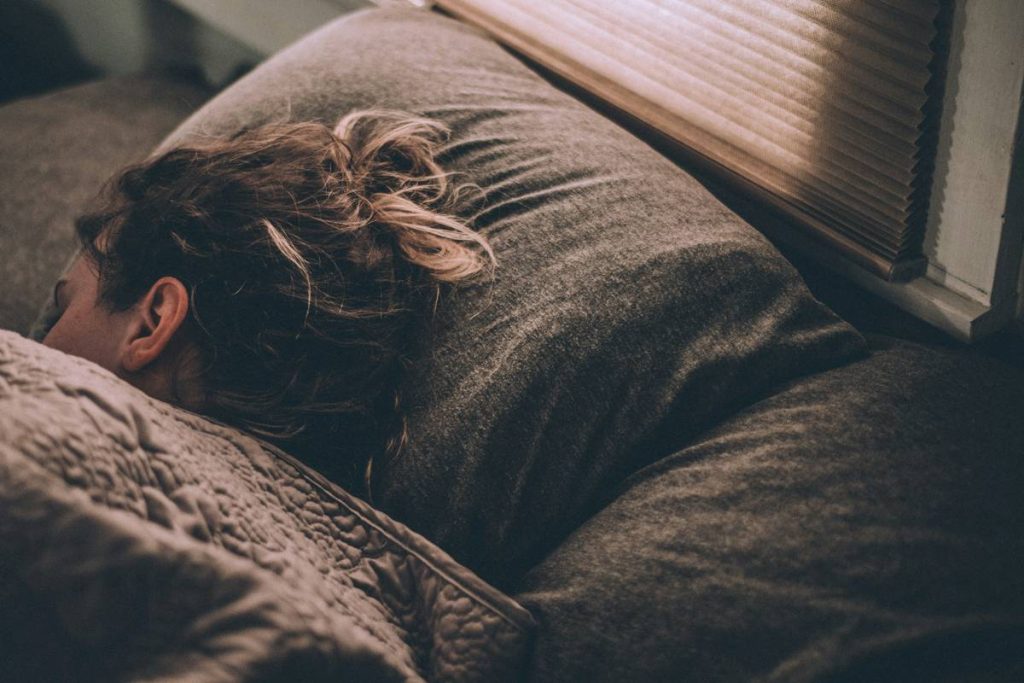
Ever lain awake at 3 a.m., staring at the ceiling while your brain replays that awkward thing you said in 2012? You’re not alone. According to the CDC, 1 in 3 adults doesn’t get enough sleep—and it’s wrecking our focus, mood, and even immune function. If “how to improve my sleep” has become your midnight Google search mantra, this post is your lifeline.
As a certified mindfulness coach and former insomniac who once survived on chamomile tea and denial, I’ve tested dozens of “sleep hacks”—from weighted blankets to moon-phase apps. Most were useless. But some? Game-changers. In this guide, you’ll learn:
- Why your bedtime routine might be sabotaging you (even if it feels relaxing)
- The exact wind-down sequence that helped my clients gain 90+ minutes of deep sleep
- A brutally honest list of “tips” to avoid (looking at you, melatonin overdose trend)
Table of Contents
- Why Do I Keep Waking Up at 3 a.m.?
- Your Step-by-Step Wind-Down Protocol
- 7 Non-Negotiables for Consistent, Restorative Sleep
- Real Results: How One Client Fixed Her Sleep in 10 Days
- Sleep FAQ: Your Burning Questions, Answered
Key Takeaways
- Your circadian rhythm responds more to light than willpower—prioritize morning sunlight.
- “Relaxing” screen time (Netflix, doomscrolling) still suppresses melatonin.
- Consistency beats perfection: Going to bed 15 minutes earlier matters more than a “perfect” routine.
- Caffeine’s half-life is 5–6 hours—your 2 p.m. latte may be haunting your 2 a.m. wake-ups.
Why Do I Keep Waking Up at 3 a.m.?
Waking up in the middle of the night isn’t just frustrating—it’s often your body’s stress response misfiring. Between 2–4 a.m., cortisol naturally begins to rise in preparation for waking. But if you’re already sleep-deprived or anxious, that signal gets amplified into full-blown alertness. Your brain goes: “Danger! Time to solve all problems!” even when there’s no tiger at the door.
I learned this the hard way during a burnout phase where I’d jolt awake nightly, heart racing, convinced I’d forgotten to pay a bill (I hadn’t). Turns out, chronic stress dysregulates your HPA axis—the hormonal control center for sleep-wake cycles. And it’s not just mental: blue light from devices, late-night snacking, and even room temperature play direct roles.

The good news? Most sleep issues aren’t permanent. The National Institutes of Health confirms that behavioral changes—not medication—are first-line treatment for chronic insomnia. Your sleep architecture can rebuild itself faster than you think.
Your Step-by-Step Wind-Down Protocol
Forget counting sheep. Real sleep hygiene is about creating predictable physiological cues that whisper, “It’s safe to shut down.” Here’s the exact sequence I use with coaching clients:
What should I do 90 minutes before bed?
Start dimming lights and swapping screens for analog activities. Blue light from phones/tablets suppresses melatonin production by up to 85% (Harvard Medical School, 2022). Instead:
- Read a physical book (fiction works best—less mental activation)
- Do gentle stretching or restorative yoga (child’s pose = instant nervous system reset)
- Sip magnesium-rich herbal tea (chamomile + lemon balm > plain chamomile)
What’s the ideal bedroom temperature for sleep?
Between 60–67°F (15.5–19.4°C). Cooler temps trigger vasodilation—blood flow to extremities—which signals your core temp to drop, a key step in falling asleep. Pro tip: Wear socks if your feet are cold; it speeds up this process.
Should I use white noise or silence?
If you live near traffic or snorers, use pink noise (deeper than white noise—think steady rain). A 2023 study in Sleep Medicine found pink noise increased deep sleep duration by 23% in adults over 50. Try free apps like myNoise or Simply Noise.
7 Non-Negotiables for Consistent, Restorative Sleep
These aren’t fluffy suggestions—they’re evidence-based pillars backed by sleep labs and neuroscientists:
- Anchor your wake-up time: Even on weekends, vary by no more than 60 minutes. This stabilizes your circadian rhythm more effectively than strict bedtimes.
- Banish caffeine after 2 p.m.: Its half-life means 50% is still active 5–6 hours later. Swap for roasted dandelion root tea.
- Get 15 minutes of morning sunlight: Within 30 mins of waking. This resets your suprachiasmatic nucleus (your brain’s master clock).
- Avoid alcohol within 3 hours of bed: It fragments sleep architecture, reducing REM by up to 24% (NIH, 2021).
- Keep your bedroom a phone-free zone: Charge it outside the room. Notifications—even silent ones—trigger micro-arousals.
- Eat dinner 3+ hours before bed: Digestion raises core body temperature, delaying sleep onset.
- Use “worry time” earlier in the day: Schedule 15 minutes at 5 p.m. to journal concerns. Your 3 a.m. brain will thank you.
Grumpy Optimist Dialogue
Optimist You: “These habits will transform your energy!”
Grumpy You: “Ugh, fine—but only if I can keep my 7 a.m. coffee.”
Me: “You can. Just don’t drink it after lunch.”
Real Results: How One Client Fixed Her Sleep in 10 Days
Sarah, 34, came to me averaging 4.5 hours of fragmented sleep. She’d tried melatonin gummies, blackout curtains, and “sleep meditations” with zero results. Her breakthrough? Addressing her evening cortisol spike.
We implemented three changes:
- Replaced 9 p.m. wine with magnesium glycinate + passionflower tincture
- Added 10 minutes of diaphragmatic breathing at 8:30 p.m. (activated her parasympathetic nervous system)
- Moved her workout from evening to morning (late exercise elevated her core temp too close to bedtime)
By day 10, she was consistently hitting 7 hours of uninterrupted sleep. Her Fitbit data showed a 40% increase in deep sleep. No supplements beyond day 5. Just biology-friendly timing.

Sleep FAQ: Your Burning Questions, Answered
Can I “catch up” on sleep during weekends?
Partially—but “social jet lag” (shifting sleep schedules by 2+ hours on weekends) disrupts your circadian rhythm long-term. Better to extend sleep by only 60 minutes on weekends.
Does watching TV in bed ruin sleep?
Yes. Associating your bed with wakeful activities weakens the mental link between bed and sleep. Reserve your bed for sleep and intimacy only.
How quickly can I expect results?
Most people notice calmer nights within 3–5 days of consistent routine changes. Full circadian realignment takes 2–3 weeks.
Is 6 hours of sleep enough?
For ~3% of people with a rare DEC2 gene mutation, yes. For everyone else, chronic short sleep increases risks for Alzheimer’s, diabetes, and depression (per CDC & American Academy of Sleep Medicine).
Conclusion
Improving your sleep isn’t about perfection—it’s about aligning with your biology. Start with one change: maybe banishing late caffeine or getting morning sunlight. Track how you feel for three days. Small wins build momentum.
Remember: You’re not broken because you struggle to sleep. You’re human in a world that glorifies burnout. Treat rest like the radical act of self-preservation it is.
Like a Tamagotti, your nervous system needs daily care—or it dies on you.
Now go dim those lights. Your future well-rested self is waiting.