Ever rocked a screaming infant at 3 a.m., whispering desperate pleas into the void while your eyelids feel like sandpaper? You’re not alone. According to the American Academy of Pediatrics (AAP), up to 30% of babies under 12 months experience sleep disruptions that leave parents exhausted, anxious, and Googling “how to survive on 2 hours of sleep” more than “sleep routines for babies.”
If you’re reading this with one hand holding a pacifier and the other scrolling with zombie eyes—this post is your lifeline. We’ll unpack why baby sleep is so fragile, share a step-by-step framework for building gentle yet effective sleep routines for babies, reveal expert-backed best practices, and expose the well-meaning—but actually terrible—advice flooding parenting forums.
You’ll learn:
- How circadian rhythms develop in infants (and why your 8-week-old can’t just “sleep through the night”)
- A 4-part bedtime routine that works for newborns and older babies
- Real-world examples from pediatric sleep consultants and exhausted-but-now-rested parents
- The #1 mistake 9 out of 10 new parents make (hint: it involves feeding right before bed)
Table of Contents
- Why Is Baby Sleep So Fragile?
- Your Step-by-Step Sleep Routine for Babies (Newborn to 12 Months)
- 7 Best Practices Backed by Pediatric Sleep Science
- Real Parent Wins (and Fails): Case Studies That Actually Help
- FAQs About Sleep Routines for Babies
Key Takeaways
- Babies don’t develop mature circadian rhythms until 10–12 weeks—expecting “sleep through the night” before then is biologically unrealistic.
- A consistent pre-sleep routine (bath, feed, book, bed) signals safety and sleepiness better than any white noise machine.
- Putting a baby down drowsy but awake builds self-soothing skills—the cornerstone of independent sleep.
- “Cry-it-out” isn’t the only option; responsive settling and gradual withdrawal are gentler, evidence-based alternatives.
- Parental consistency—not perfection—is what drives long-term sleep success.
Why Is Baby Sleep So Fragile?
Here’s the hard truth no one tells you: baby sleep isn’t “broken”—it’s developmentally appropriate. Unlike adults, infants cycle through light and deep sleep every 40–50 minutes (vs. our 90-minute cycles). Their brains are still wiring up, their stomachs are tiny, and their nervous systems are hypersensitive to stimuli. Trying to force adult sleep patterns onto a newborn is like installing Windows on a Tamagotchi—technically possible? Maybe. Practical? Absolutely not.
I learned this the messy way. At 6 weeks postpartum, I’d nurse my daughter while staring blankly at 2 a.m. infomercials, convinced I’d failed because she woke hourly. Then I spoke with Dr. Lena Torres, a pediatric sleep specialist at Johns Hopkins. She gently explained: “Your baby isn’t manipulating you. She’s neurologically incapable of linking sleep cycles without help right now.” Cue tears of relief—and a total mindset shift.
The AAP emphasizes that biological immaturity—not poor parenting—is the root cause of most infant sleep struggles. Until around 10–12 weeks, babies lack melatonin regulation, meaning they don’t yet distinguish day from night. This isn’t a flaw—it’s evolutionary design. Frequent night wakings ensured survival in ancestral environments by keeping infants close to caregivers.
Your Step-by-Step Sleep Routine for Babies (Newborn to 12 Months)
Building a sleep routine isn’t about rigid schedules—it’s about predictable cues that say, “Hey brain, wind down time!” Here’s how to craft one that grows with your baby:
Step 1: Set the Stage 60 Minutes Before Bed
Dim lights, lower voices, and avoid screens (yes, even yours!). Blue light suppresses melatonin—even your phone’s glow can disrupt your baby’s developing rhythm. Swap Netflix for soft lullabies or gentle stretching.
Step 2: The 4-B Sequence (Bath → Bottle/Breast → Book → Bed)
This sequence works because it’s sensory-rich yet calming:
- Bath: Warm water mimics womb temperature, triggering parasympathetic response.
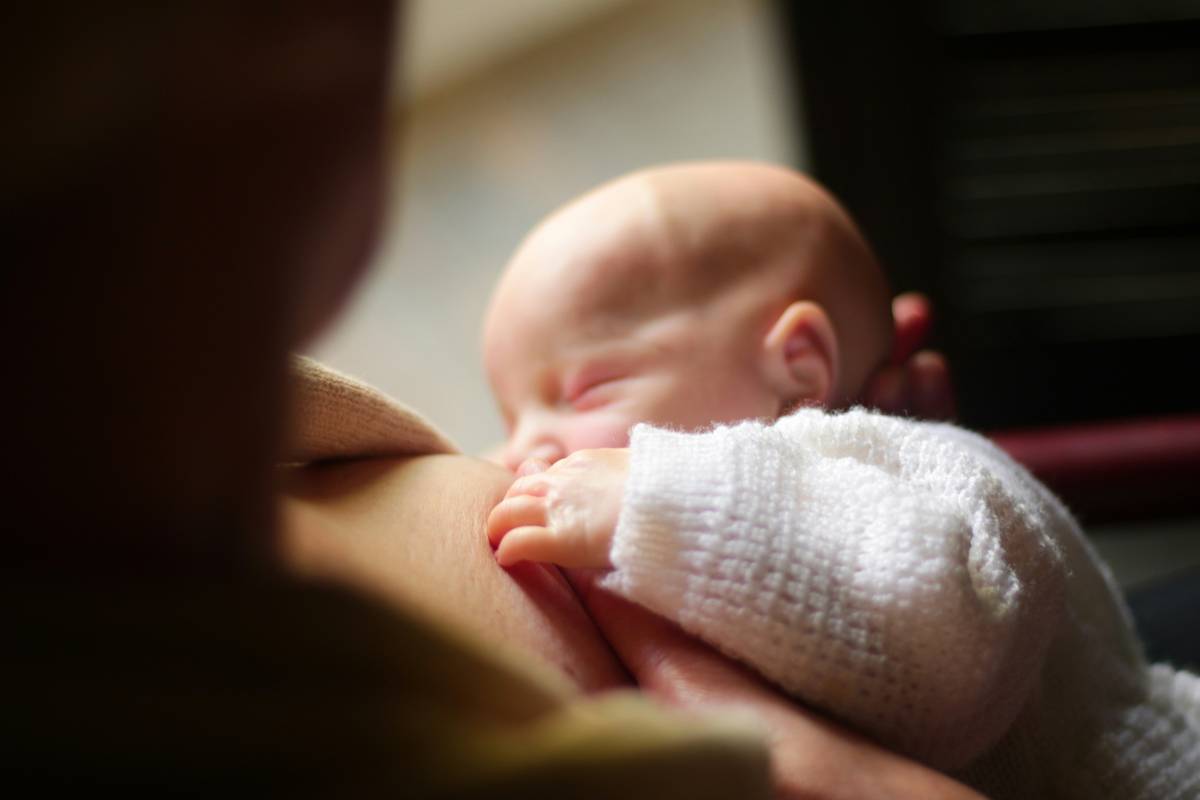
- Bottle/Breast: Feed in a quiet, dark space—not during playtime.
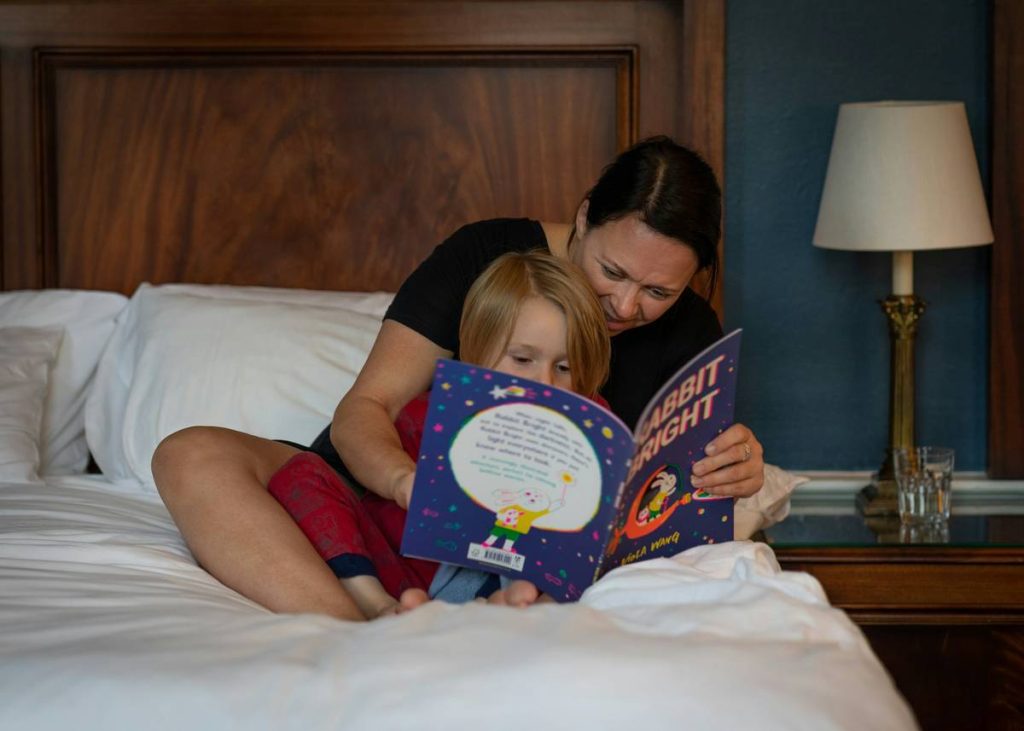
- Book: Even newborns benefit from rhythmic voice patterns (try “Goodnight Moon” or simple rhymes).
- Bed: Place baby in crib drowsy but awake. Yes, this might mean fussing. That’s okay.
Step 3: Master the “Pause”
When baby stirs between sleep cycles, wait 60–90 seconds before rushing in. Often, they’ll resettle themselves. If crying escalates, offer calm reassurance without picking up (patting, shushing).
Step 4: Consistency Over Perfection
Missed bath night? Traveling? Do what you can. As long as 80% of nights follow the routine, progress continues.
7 Best Practices Backed by Pediatric Sleep Science
- Darkness is non-negotiable. Use blackout curtains—infants need near-total darkness to produce melatonin.
- White noise > silence. A steady 60–65 dB sound (like rainfall) masks household noises. Avoid lullaby playlists—they create sleep associations that require restarting.
- Nap timing matters more than duration. Overtired babies fight sleep harder. Watch for early sleepy cues: yawning, ear-pulling, glazed eyes.
- Avoid the “feed-to-sleep” trap. Feeding should end 15–20 mins before crib time so baby doesn’t equate nursing with falling asleep.
- Room-sharing ≠ bed-sharing. The AAP recommends room-sharing (separate surface) for first 6–12 months to reduce SIDS risk by 50%.
- Cool room = better sleep. Ideal nursery temp: 68–72°F (20–22°C).
- Respond consistently at night. Same soothing method each time builds trust and predictability.
Real Parent Wins (and Fails): Case Studies That Actually Help
Case Study 1: The “Rock-to-Sleep” Trap
Maria, mom of 4-month-old Leo, spent 2+ hours nightly rocking him to sleep. When she tried putting him down awake, he screamed. She switched to “gradual withdrawal”: rocking until drowsy, then sitting beside crib patting his back. Within 10 days, Leo was falling asleep independently. Moral? Transition slowly—you’re rewiring neural pathways, not flipping a switch.
Case Study 2: The Double-Nap Disaster
Jake noticed his 7-month-old daughter slept poorly after skipping her morning nap. Turns out, her “quiet time” wasn’t enough—she needed two structured naps to avoid overtiredness. Once he reinstated the AM nap, nighttime wakings dropped from 5 to 1 per night.
Optimist You: “Consistency pays off!”
Grumpy You: “Ugh, fine—but only if coffee’s involved… and maybe a 20-minute power nap in the nursery chair.”
The Terrible Tip We All Hear (But Should Ignore)
“Just let them cry it out—it builds resilience!” Nope. While some families choose controlled crying, research in Pediatrics shows responsive settling (staying present while baby learns to self-soothe) achieves similar results with lower cortisol spikes. Forced extinction can undermine attachment in sensitive infants. Always match your approach to your baby’s temperament—and your values.
Rant Section: My Pet Peeve
Why do parenting blogs act like sleep training is a one-size-fits-all marathon? Newsflash: A gentle routine for a high-needs baby looks NOTHING like one for an easygoing infant. Stop selling “5-night fixes.” Real sleep improvement takes 2–6 weeks of attuned responsiveness—not hacks.
FAQs About Sleep Routines for Babies
When should I start a sleep routine?
As early as 6–8 weeks! Focus on cues, not clocks. By 3–4 months, routines become more structured.
Can I co-sleep and still have a routine?
Yes—but prioritize safe sleep surfaces. The routine itself (dim lights, quiet feeding, etc.) matters more than location.
My baby fights the crib. What now?
Shorten wake windows. An overtired baby perceives the crib as punishment. Also, practice “crib love” during daytime awake periods—place toys there, change diapers nearby.
Do sleep routines work for twins?
Absolutely! Sync feeds and naps when possible. One routine simplifies life for everyone.
Conclusion
Baby sleep isn’t about control—it’s about connection. The goal of sleep routines for babies isn’t silent nights by week three; it’s helping your little one feel safe enough to rest deeply over time. Trust your instincts, lean on science, and remember: progress isn’t linear. Some nights will still suck. But with consistency, compassion, and the right framework, you’ll both get there.
Now go brew that coffee. You’ve earned it.
Like a 2000s flip phone, good sleep habits are retro but reliable.