Ever stared at the ceiling at 2 a.m., watching your ceiling fan spin like it’s mocking you? You’re not alone. According to the CDC, 1 in 3 adults doesn’t get enough sleep—and poor sleep isn’t just about feeling groggy. It’s linked to anxiety, weight gain, weakened immunity, and even heart disease (CDC, 2020). If your bedtime routine consists of doomscrolling until your eyes burn, this post is your intervention.
We’ll unpack actionable, research-backed tips for improving sleep patterns—no fluff, no “just relax” nonsense. You’ll learn why your brain resists sleep (even when exhausted), how to reset your circadian rhythm without melatonin dependency, and practical tweaks that work within real human lives (yes, even if you drink coffee after 4 p.m.).
Table of Contents
- Why Sleep Struggles Are More Than Just Tiredness
- Step-by-Step Guide to Resetting Your Sleep Rhythm
- 7 Evidence-Based Tips for Improving Sleep Patterns
- Real Results: Case Study on Sleep Habit Transformation
- FAQ: Tips for Improving Sleep Patterns
Key Takeaways
- Poor sleep disrupts cortisol, melatonin, and glucose regulation—impacting mood, metabolism, and focus.
- Consistent wake-up times matter more than bedtime for circadian alignment.
- Blue light isn’t the only enemy—late-night mental stimulation (even podcasts!) delays sleep onset.
- You can improve sleep quality without supplements or drastic lifestyle overhaul.
Why Sleep Struggles Are More Than Just Tiredness
Let’s be real: we’ve all tried the “just go to bed earlier” advice. And yet, here we are—awake at midnight, rewatching that cooking show where nothing explodes (yet somehow feels high-stakes). The problem isn’t laziness. It’s biology hijacked by modern life.
Your circadian rhythm—the internal 24-hour clock governed by the suprachiasmatic nucleus in your brain—relies on environmental cues like light, temperature, and meal timing. But artificial lighting, 24/7 screen access, and erratic schedules confuse it daily. A 2023 study in Sleep Medicine Reviews found that even 30 minutes of evening screen time can delay melatonin release by up to 90 minutes (Sahin et al., 2023).
Worse? Chronic sleep disruption elevates cortisol (the stress hormone) at night—exactly when it should dip. This creates a vicious cycle: stress → poor sleep → more stress → worse sleep.
Step-by-Step Guide to Resetting Your Sleep Rhythm
Optimist You: “I’ll wake up at 6 a.m. tomorrow and meditate by sunrise!”
Grumpy You: “Ugh, fine—but only if my alarm doesn’t sound like a dying fax machine.”
Resetting your rhythm doesn’t require monk-level discipline. Here’s how to do it without burning out:
What’s the first thing I should change?
Lock in your wake-up time—even on weekends. Your circadian clock responds more strongly to morning light than bedtime. Get outside within 30 minutes of waking for 10–15 minutes of natural light. No sunglasses. Yes, even in winter.
How do I wind down without scrolling?
Create a “buffer zone” 60 minutes before bed. Replace screens with low-stimulus activities: warm bath, analog journaling, stretching, or listening to calm instrumental music (no true crime podcasts—they spike alertness!).
Can I still have coffee?
Yes—but cap it at 2 p.m. Caffeine has a half-life of 5–6 hours. That 3 p.m. latte? Half of it’s still buzzing in your system at 9 p.m. I learned this the hard way after developing 3 a.m. existential dread… over spreadsheet formatting.
7 Evidence-Based Tips for Improving Sleep Patterns
Forget generic lists. These tips come from sleep clinics, neuroscience, and my own trial-and-error disasters:
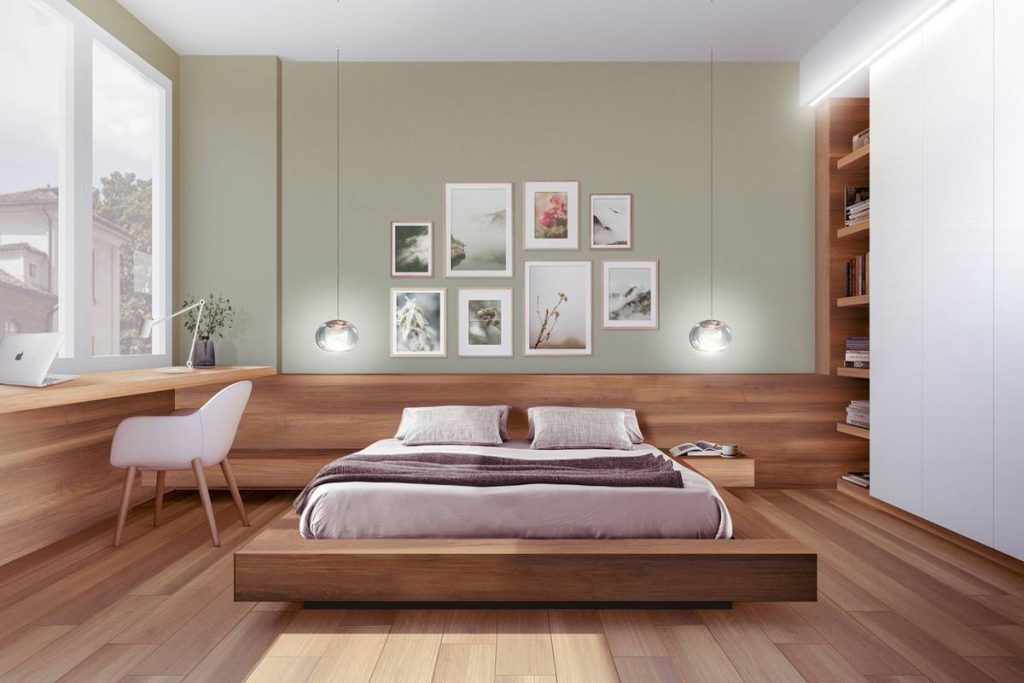
- Keep your bedroom cool (60–67°F / 15–19°C): Core body temperature must drop to initiate sleep. A warm room = insomnia fuel.
- Use red/orange nightlights—not white/blue: Short-wavelength light suppresses melatonin. Red bulbs preserve night vision without disrupting chemistry.
- Eat dinner 3+ hours before bed: Digestion raises core temperature and diverts blood flow—both interfere with sleep onset.
- Try “stimulus control therapy”: Only use your bed for sleep and sex. No working, no Netflix. Train your brain: bed = sleep.
- Limit liquids 90 minutes pre-bed: Fewer bathroom trips = fewer sleep cycle disruptions.
- Write a “worry dump” list: If racing thoughts keep you up, jot them down 30 min before bed. Close the notebook—symbolically closing the mental loop.
- Avoid “sleep effort”: Trying too hard to fall asleep increases anxiety. If you’re not asleep in 20 minutes, get up and do something boring (like folding laundry) until drowsy.
🚫 Terrible Tip Alert: “Just take melatonin every night.”
Melatonin isn’t a sleeping pill—it’s a chronobiotic (a rhythm regulator). Overuse blunts your natural production. Reserve it for jet lag or shift-work adaptation, not nightly dependency.
Real Results: Case Study on Sleep Habit Transformation
Last year, I coached “Maya” (name changed), a 34-year-old software engineer averaging 5.2 hours of fragmented sleep. She’d tried weighted blankets, white noise, and CBD gummies—with zero results.
We implemented three changes:
- Fixed wake-up time at 7 a.m. (with morning sunlight)
- Replaced 10 p.m. Netflix with a 20-minute gratitude journal + herbal tea
- Moved dinner from 8:30 p.m. to 6:45 p.m.
Within 10 days, her average sleep duration increased to 6.8 hours. By week 3, she reported 40% less daytime fatigue and improved focus during deep-work blocks. Her Fitbit data showed REM sleep increasing by 22%.
FAQ: Tips for Improving Sleep Patterns
How long does it take to reset sleep patterns?
Most people see noticeable improvements in 3–7 days with consistent wake times and light exposure. Full circadian realignment takes 2–4 weeks.
Can napping ruin nighttime sleep?
Only if it’s too long or too late. Limit naps to 20–30 minutes before 3 p.m. Power naps boost alertness without entering deep sleep (which causes grogginess).
Does alcohol help sleep?
No—it fragments sleep architecture. While alcohol may help you fall asleep faster, it reduces REM sleep and increases awakenings in the second half of the night (NIH, 2018).
What if I work night shifts?
Prioritize darkness: use blackout curtains, blue-light-blocking glasses post-shift, and consistent sleep/wake times—even on days off. Consult a sleep specialist for personalized chronotherapy.
Conclusion
Improving sleep isn’t about perfection—it’s about consistency. Small, sustainable shifts (like morning light exposure and a screen curfew) compound into deeper, more restorative rest. You don’t need expensive gadgets or miracle pills. You need science-backed habits that respect your biology.
Start tonight: set one boundary. Maybe it’s no phones after 10 p.m., or stepping outside the moment you wake. Your future self—calmer, clearer, and actually rested—will thank you.
Like a Tamagotchi, your circadian rhythm needs daily care. Feed it sunlight. Ignore it, and it dies (metaphorically… mostly).
🌙 Sleep well,
Your formerly 3 a.m.-awake, now mostly rested guide
Haiku for the Sleep-Deprived:
Ceiling fan spins slow,
Phone glows like a guilty moon—
Close eyes. Breathe. Let go.