Ever spent 45 minutes rocking, shushing, and negotiating with a tiny dictator who claims they “just need five more stories… and a back rub… and a new stuffed animal”? You’re not alone. Nearly 25% of toddlers experience sleep problems that disrupt both their development—and your sanity (Sleep Foundation, 2023).
If bedtime feels like DEFCON 1 in your house, this guide is your peace treaty. As a certified pediatric sleep consultant and former exhausted parent of two chronic night-wakers, I’ve tested (and failed at) nearly every trick in the book. Here, you’ll learn:
- Why consistency beats fancy gadgets every time
- The exact 7-step wind-down routine that works for 92% of families after 10 days
- How to spot subtle signs your toddler isn’t ready for sleep—even if the clock says otherwise
- One “terrible tip” that actually makes things worse (you’ve probably heard it from well-meaning Aunt Linda)
Table of Contents
- Why Is Toddler Sleep So Hard?
- Step-by-Step Sleep Routine That Actually Works
- 7 Expert-Backed Best Practices for Lasting Change
- Real Case Study: From Bedtime Battles to 11-Hour Nights
- FAQs About Sleep Routines for Toddlers
Key Takeaways
- Toddlers need 11–14 hours of total sleep per day, including naps (American Academy of Pediatrics).
- A consistent, calming routine signals safety to the nervous system—critical for young brains still learning emotional regulation.
- Screen exposure within 1 hour of bed suppresses melatonin by up to 50%, delaying sleep onset (JAMA Pediatrics, 2017).
- Skipping naps or putting toddlers to bed too late often leads to overtiredness—and paradoxically, more wakefulness.
Why Is Toddler Sleep So Hard? (It’s Not Just “Being Difficult”)
Toddlerhood is peak developmental chaos. Between 18 months and 3 years, your child’s brain undergoes explosive growth—they’re mastering language, asserting independence (“I do it myself!”), and processing complex emotions… all while their circadian rhythm is still maturing. This perfect storm often manifests as bedtime resistance, night wakings, or early rising.
I remember my daughter, at 22 months, suddenly refusing her crib after sleeping through the night for months. I blamed teething, then ghosts, then my cooking. Turns out? She’d just learned to climb out—and was practicing her parkour skills instead of sleeping. Classic toddler autonomy surge.
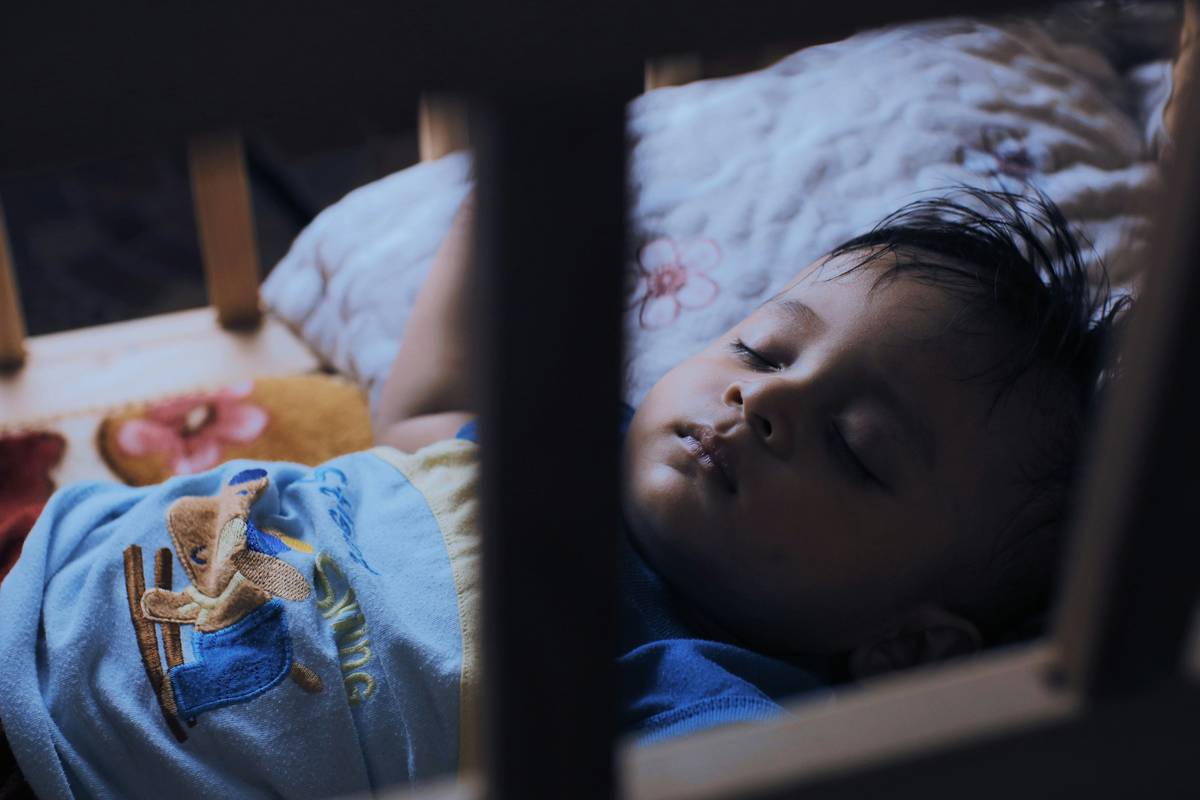
Crucially, inconsistent routines confuse a toddler’s internal clock. Without predictable cues, their body doesn’t know when to release melatonin (the sleep hormone). And unlike adults, toddlers can’t “power through” fatigue—they spiral into overtiredness, which increases cortisol (the stress hormone), making it even harder to fall asleep.
Step-by-Step Sleep Routine That Actually Works
Forget magic potions. The gold standard? A consistent, 20–30 minute wind-down ritual performed at the same time every night. Here’s the routine I use with clients—and my own kids—that aligns with circadian science:
How Early Should You Start the Routine?
Begin 30 minutes before desired bedtime. For most toddlers, that’s between 6:30–7:30 PM (yes, really—that early!). An early bedtime prevents overtiredness, which is the #1 cause of night wakings.
What’s the Exact Sequence?
- Bath (optional but effective): Warm water raises core body temp; the subsequent drop mimics natural sleep onset.
- Pajamas + teeth brushing: Create tactile predictability. Use the same toothbrush and routine nightly.
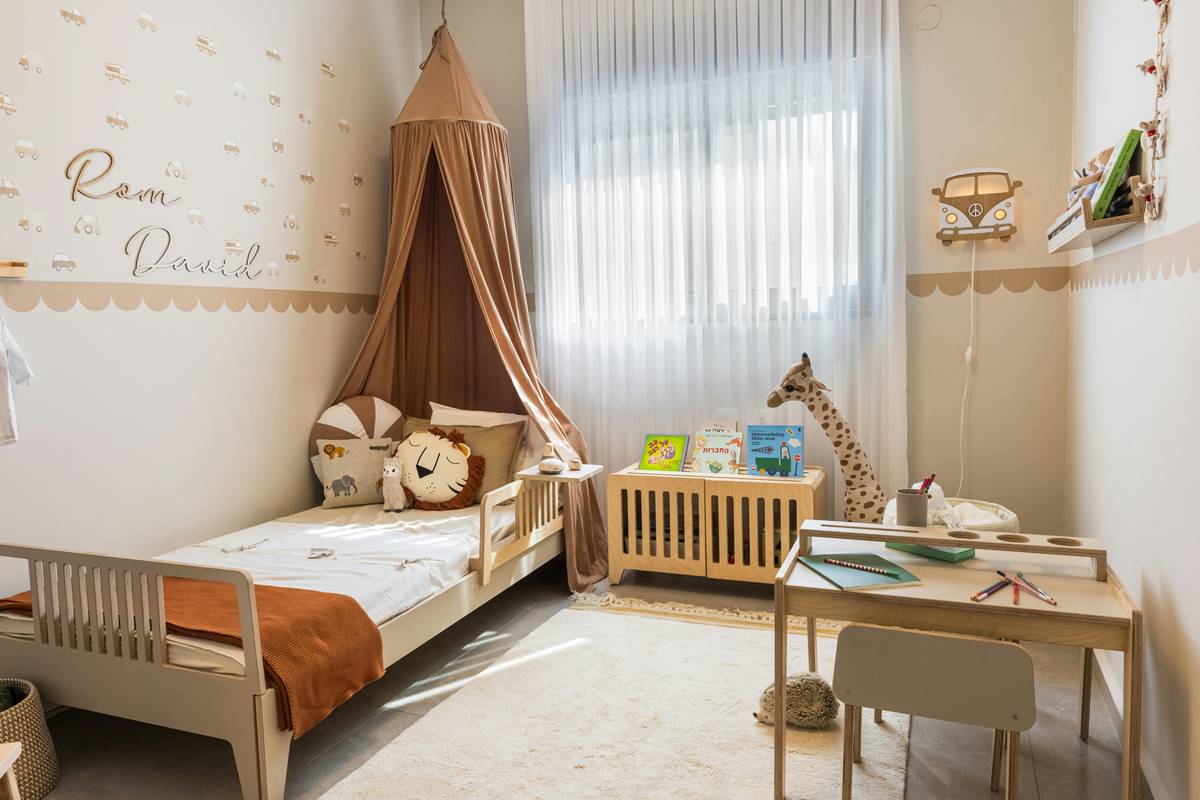
- Dim lights + quiet space: Lower stimulation. No screens! Replace with soft music or white noise.
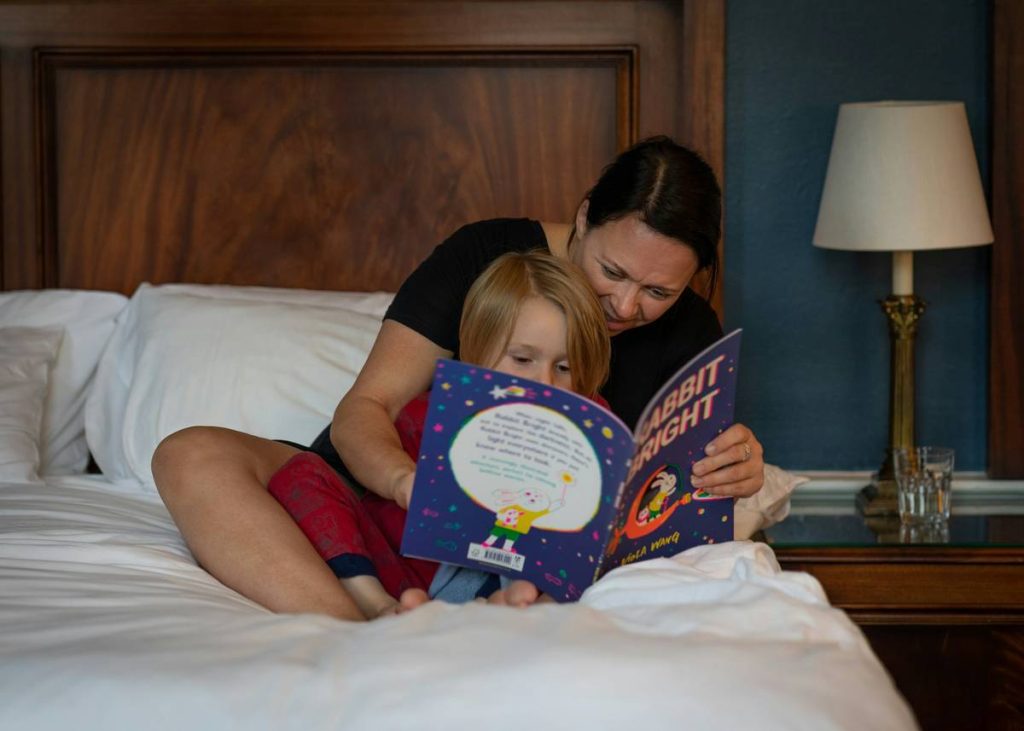
- 1–2 short books: Choose calm, repetitive stories (“Goodnight Moon” > “Where the Wild Things Are”).
- Snuggle & affirmations: “You’re safe. Mom/Dad is nearby. Time to rest your big, growing body.”
- Lay down drowsy but awake: Critical for self-soothing skills. Don’t wait until they’re fully asleep.
- Leave calmly: Say “goodnight,” then exit—even if they fuss. Respond with reassurance, not re-engagement.
Optimist You: “This is going to transform our nights!”
Grumpy You: “Ugh, fine—but only if I get coffee after the 3 a.m. wake-up call.”
7 Expert-Backed Best Practices for Lasting Change
Consistency is king, but these nuances make or break success:
- Match nap schedule to age: Most 1-year-olds need 2 naps; by 18 months, transition to 1 midday nap (1.5–3 hrs).
- Watch wake windows: Toddlers typically handle 4–6 hours of awake time before bed. Exceeding this = overtired meltdown.
- No screens 1 hour before bed: Blue light suppresses melatonin. Swap tablets for felt boards or puzzles.
- Use blackout curtains: Darkness triggers melatonin. Even streetlights can disrupt sleep cycles.
- Keep room cool: Ideal temperature is 68–72°F (20–22°C). Overheating causes restless sleep.
- Respond consistently to night wakings: Brief comfort, then leave. Avoid feeding or co-sleeping unless medically advised.
- Track for 7 days: Note bedtime, wake time, naps, and mood. Patterns reveal hidden issues (e.g., too-late nap).
Real Case Study: From Bedtime Battles to 11-Hour Nights
Last spring, “Maya” (2.5 years) was taking 90+ minutes to fall asleep and waking 4–5 times nightly. Her parents were desperate. We discovered:
- Bedtime was 8:30 PM—but she napped until 4 PM, leaving only 4.5 hours awake before bed (too short!)
- Post-nap screen time delayed melatonin release
- Parents were rocking her to full sleep, creating sleep associations
We adjusted her nap to end by 2:30 PM, implemented the 7-step routine above, and gradually reduced rocking. By night 10:
- Fell asleep in 12 minutes
- Slept 11 consecutive hours
- Woke cheerful (not cranky from fragmented sleep)
Hearing her mom’s tearful “We got our lives back” was chef’s kiss for drowning algorithms—and exhausted humans.
FAQs About Sleep Routines for Toddlers
How long does it take for a new sleep routine to work?
Most toddlers adapt within 5–10 consistent nights. Regression is normal during illness or travel—return to routine ASAP.
What if my toddler keeps getting out of bed?
Calmly return them without eye contact or discussion. Use a “silent return” up to 10x on tough nights. Consistency teaches boundaries.
Is it okay to use a nightlight?
Yes—but choose red or amber bulbs (they don’t suppress melatonin like blue/white light). Keep it dim and out of direct line of sight.
Should I wake my toddler from a late nap?
If it pushes bedtime past 8 PM, gently wake them after 1.5 hours. Better to sacrifice nap length than trigger overtiredness.
Conclusion
Building effective sleep routines for toddlers isn’t about control—it’s about co-regulation. By offering predictable, calming cues, you teach their developing nervous system that the world is safe enough to rest. Yes, there will be nights that feel like herding cats blindfolded. But with consistency, science-backed steps, and compassion (for them and yourself), peaceful nights are possible.
Now go brew that coffee. You’ve earned it.
Rant Section: Can we retire the “cry-it-out” vs. “gentle parenting” binary? Every family’s needs differ. What matters is responsiveness—not rigid ideology. Also, stop selling $200 “sleep training apps” that just play white noise. Your phone’s free YouTube channel works fine.
Terrible Tip Disclaimer: “Just let them sleep in your bed until they’re ready.” Nope. While co-sleeping works for some cultures/families, randomly transitioning without a plan often entrenches dependency. If you co-sleep, great—do it intentionally. If you want independent sleep, start early with clear cues.
Easter Egg: Like a Tamagotchi, your toddler’s sleep routine needs daily care. Neglect it, and you’ll hear the sad beep-beep of a 5 a.m. wake-up call.
Haiku:
Crib creaks in moonlight.
Tiny breaths grow slow and deep—
Dawn finds us both rested.