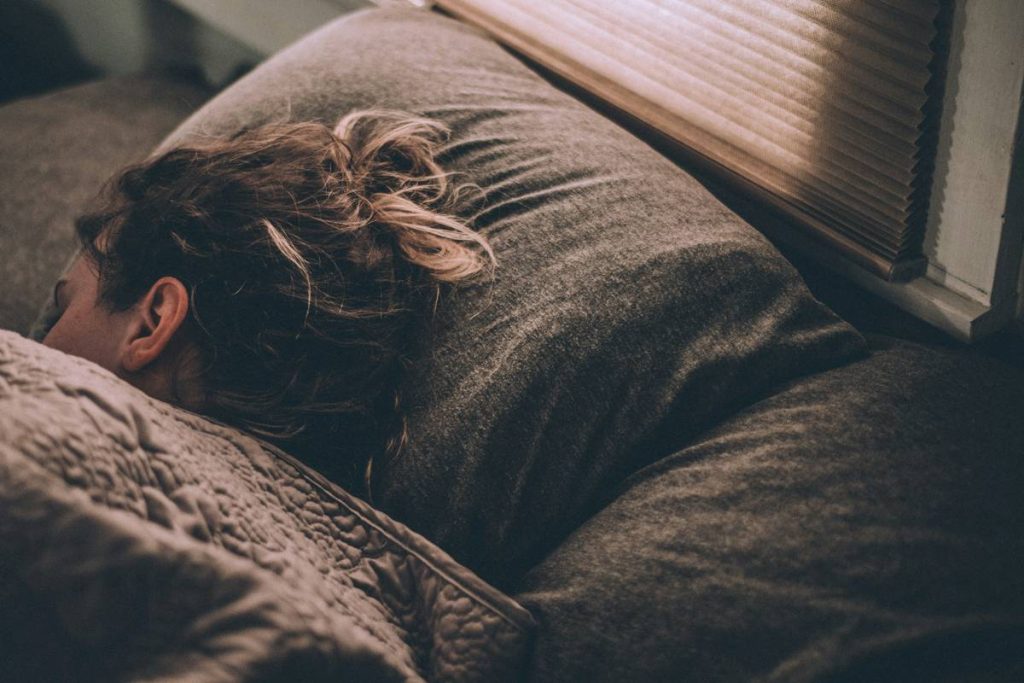
You lie awake at 2 a.m., replaying awkward conversations from ten years ago. Your heart races. Thoughts spiral. And tomorrow’s deadline looms like a thundercloud. This isn’t just insomnia—it’s your mental health screaming for rest. How sleep helps your mental health isn’t poetic fluff. It’s neuroscience. Without it, emotional regulation collapses faster than a house of cards in a breeze.
Why “Just Sleep More” Advice Fails Miserably
Telling someone with anxiety to “sleep more” is like handing a snorkel to someone drowning in concrete. Most strategies ignore the feedback loop: poor sleep worsens anxiety, which then sabotages sleep further. And yet, wellness influencers keep recycling generic tips—“limit screen time,” “drink chamomile”—as if your amygdala cares about herbal tea.
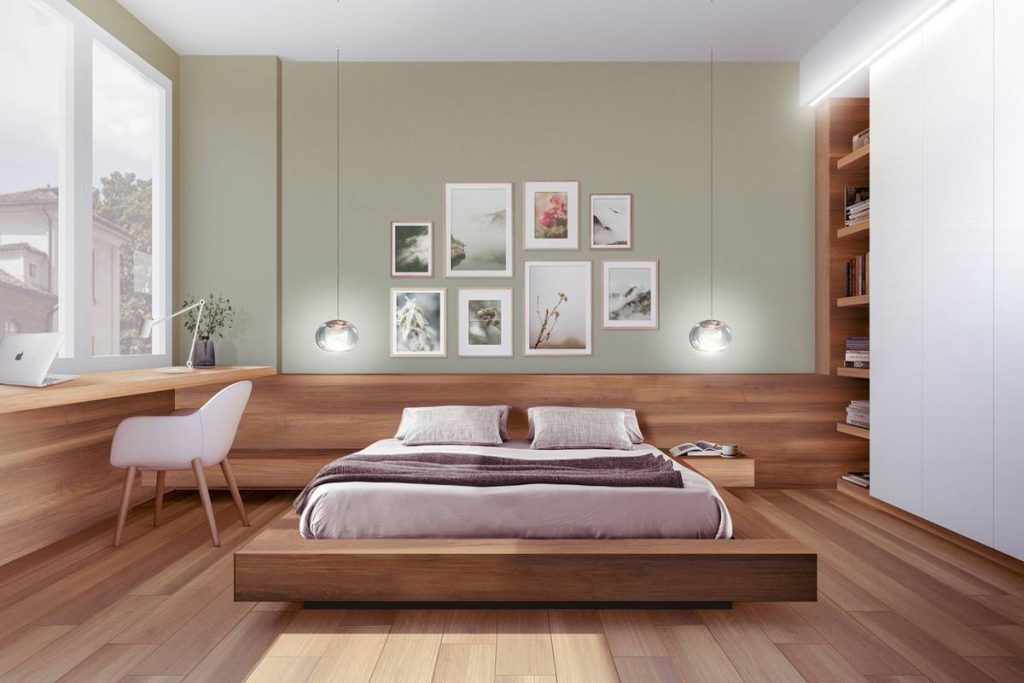
The real issue? Your bedroom isn’t a recovery zone. It’s a stress incubator. Blue light, inconsistent temperatures, even the wrong pillow density can quietly sabotage neural repair overnight. Standard advice treats symptoms, not the hidden environmental triggers rewiring your brain nightly.
How Sleep Helps Your Mental Health: A Practitioner-Backed Protocol
Forget counting sheep. Real mental restoration starts with engineering your sleep environment like a neuroscientist—not a Pinterest influencer.
Reset Your Circadian Anchor
Your body doesn’t run on clock time. It runs on light cues. Get 10 minutes of natural sunlight within 30 minutes of waking—even on cloudy days. No sunglasses. This single habit stabilizes cortisol rhythms better than any supplement.
Cool Down to Power Down
Sleep onset requires a core body temperature drop of ~1.5°F. Most people crank their thermostat too late—or not at all. Aim for 65–68°F (18–20°C) consistently. Pro tip: Wear socks to bed. Warm feet dilate blood vessels, speeding heat loss from your core.
Soundscaping > Silence
Total silence amplifies internal noise—especially anxious thoughts. Use low-frequency brown noise (not white!) at 45–50 dB. It masks disruptive sounds without overstimulating your auditory cortex. Apps like myNoise or hardware like LectroFan do this well.

| Intervention | Cost | Mental Health Impact Timeline | Evidence Strength |
|---|---|---|---|
| Consistent 65°F bedroom temp | $0–$100 (thermostat adjustment) | 3–5 nights | Strong (NIH studies) |
| Brown noise at bedtime | $0–$60 (app or device) | 1–2 nights | Moderate (clinical anecdata + emerging trials) |
| Morning sunlight exposure | $0 | 5–7 days | Very strong (multiple RCTs) |
| Melatonin supplements | $10–$20/month | Immediate—but tolerance builds | Weak for long-term mental health |

The Industry Secret: Sleep Isn’t Passive Recovery—It’s Active Emotional Editing
Here’s what sleep researchers won’t tell you in press releases: During REM sleep, your brain isn’t just “recharging.” It’s performing emotional triage. The amygdala—the fear center—disconnects from the prefrontal cortex temporarily. That’s when traumatic or stressful memories get stripped of their visceral charge. Think of it as defragging your emotional hard drive.
But if you’re sleep-deprived? That editing process never finishes. Every minor stressor feels catastrophic because yesterday’s unresolved emotion is still glued to today’s experience. That’s why one bad night can make your boss’s offhand comment feel like a firing offense. How sleep helps your mental health hinges on this nightly emotional detox—and most people skip it by chasing quantity over quality.
Frequently Asked Questions
Can improving sleep really reduce anxiety symptoms?
Yes—often within days. Deep NREM sleep restores GABA function, your brain’s natural calming neurotransmitter. Without it, anxiety circuits fire unchecked.
Does more sleep always mean better mental health?
No. Oversleeping (>9 hours regularly) correlates with depression. It’s about rhythm and architecture—cycling properly through sleep stages—not just duration.
How quickly does sleep affect mood?
One night of poor sleep increases amygdala reactivity by up to 60%. You’ll feel emotionally raw by breakfast. Consistency matters more than perfection.