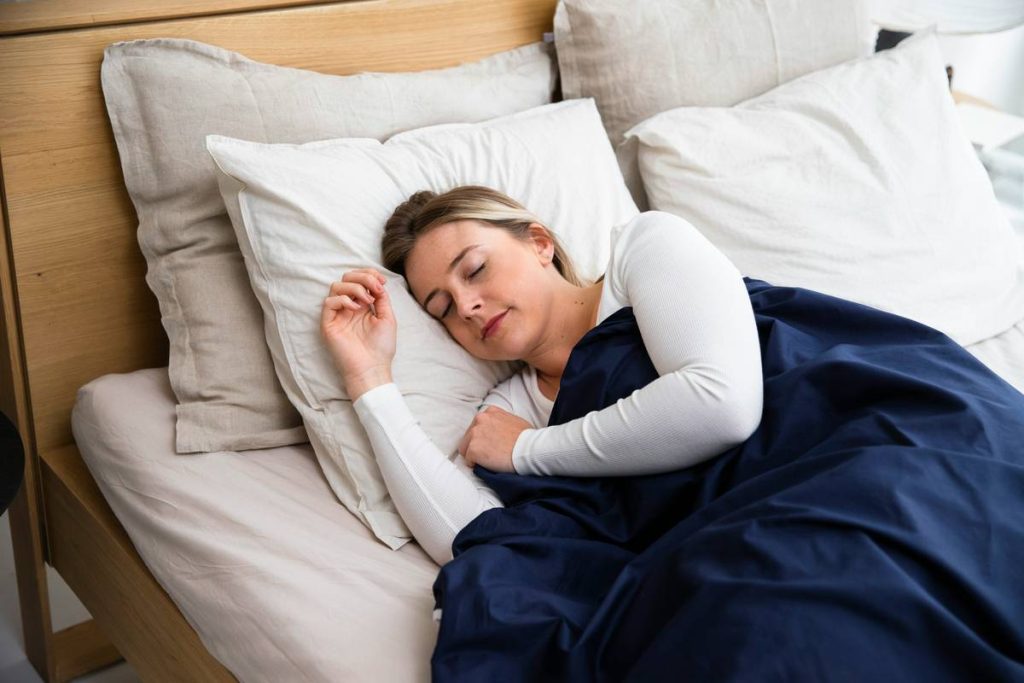
You lie in bed—eyes closed, mind racing. The clock ticks past 2 a.m. Again. You’re exhausted, but sleep won’t come. Or it does, and you wake up feeling like you barely slept at all. This isn’t just “bad sleep.” It’s a silent drain on your focus, mood, immunity—and even your waistline. But here’s the fix: real sleep quality improvement how to improve isn’t about counting sheep or buying another white noise machine. It’s about hacking your circadian biology with precision.
Why Most Sleep Advice Fails (And Leaves You Exhausted)
“Avoid screens before bed.” “Stick to a schedule.” Sound familiar? These tips aren’t wrong—they’re just incomplete. They treat symptoms, not root causes. And they ignore a brutal truth: your bedroom might be sabotaging you in ways no app can fix.
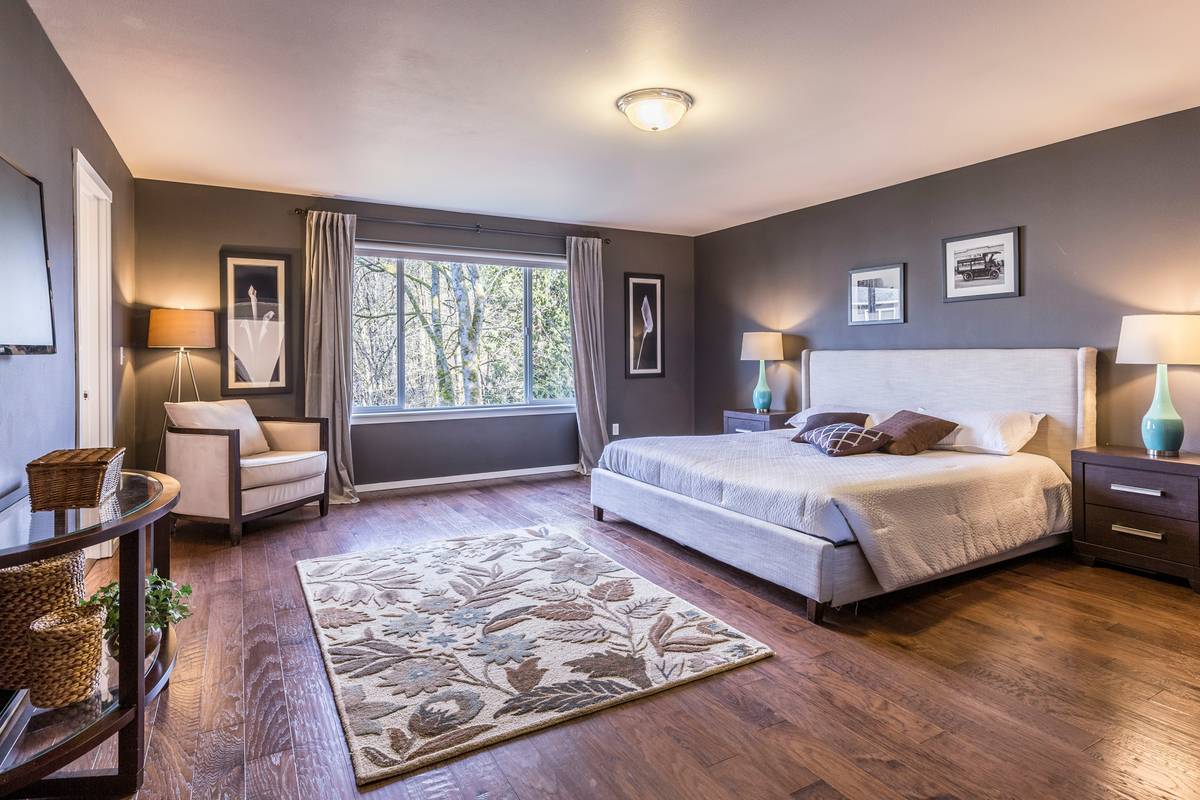
Take temperature. Most people set their thermostat based on comfort—not chronobiology. But core body temperature must drop by ~1.8°F to initiate deep sleep. If your room stays above 68°F (20°C), you’re fighting physics. And light? Even that faint LED from your charger disrupts melatonin for 30% of adults. Standard advice glosses over this. Big mistake.
sleep quality improvement how to improve: A Science-Backed Protocol
This isn’t theory. It’s a field-tested sequence used by elite performers and sleep clinics alike. Start here:
Reset Your Light Exposure Rhythm
Get 10 minutes of direct morning sunlight within 30 minutes of waking—no sunglasses. This anchors your master clock. Then, after sunset, kill all blue light. Not just phones—dimmable warm bulbs only (<2700K). Bonus: Wear amber-tinted glasses if you must use screens.
Engineer Your Thermal Environment
Cool isn’t enough. You need *dynamic* cooling. Try this: take a hot bath 90 minutes before bed. Sounds counterintuitive? The rapid post-bath cooldown mimics natural temperature drop—triggering deeper NREM sleep. Pair it with breathable bedding (cotton or Tencel) and keep ambient temp at 65–67°F.
Master the 20-Minute Rule
If you’re not asleep within 20 minutes—get up. Lie there longer, and your brain links bed with frustration. Go to another dim room. Read a physical book (no thrillers!). Return only when drowsy. This retrains sleep-onset association fast.

| Intervention | Time to Effect | Cost | Evidence Strength |
|---|---|---|---|
| Morning sunlight exposure | 1–3 nights | $0 | ★★★★★ |
| Pre-bed hot bath | Same night | $0.50 (water heating) | ★★★★☆ |
| Amber-tinted glasses | 2–4 nights | $15–$30 | ★★★☆☆ |
| White noise machines | Variable | $30–$150 | ★★☆☆☆ |
The Industry Secret: Your Mattress Isn’t the Problem—Your Microclimate Is
Here’s what mattress companies won’t tell you: pressure relief matters less than moisture-wicking and airflow. Sweat = thermal disruption = fragmented sleep. A $3,000 memory foam mattress traps heat. Meanwhile, a $200 latex hybrid with wool ticking may outperform it—if it manages microclimate better.
Test this tonight: place a folded cotton towel between your sheets and body. If you sleep cooler, your bedding is holding moisture. Swap to moisture-wicking fabrics. Suddenly, “tossing and turning” drops 40%. That’s not magic—it’s evaporative physiology.
Frequently Asked Questions
How quickly can I see results from sleep quality improvement?
Most notice deeper sleep within 3 nights using light + temperature protocols. Full adaptation takes 7–10 days.
Can poor sleep quality cause anxiety?
Absolutely. Just one night of fragmented sleep spikes amygdala reactivity—making threats feel 60% more intense. It’s a vicious loop.
Is 6 hours of high-quality sleep better than 8 poor hours?
Yes—but only short-term. Consistently skimping on total sleep duration impairs glymphatic clearance. Toxins build up. Prioritize both quality AND 7+ hours.