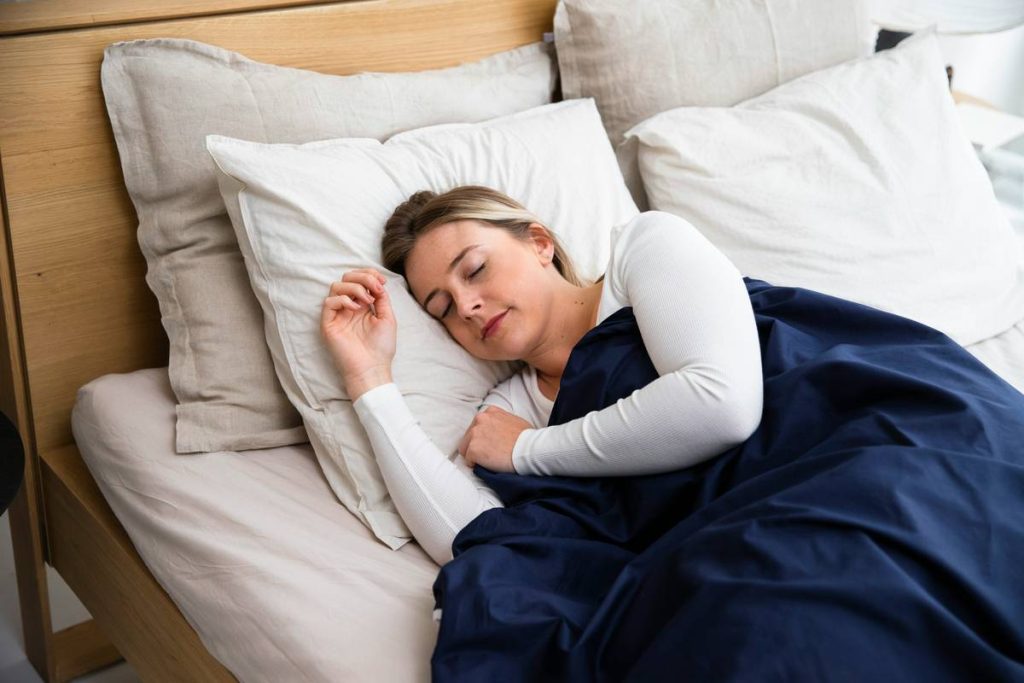
Ever tossed and turned until 3 a.m., watching the clock tick while your brain replays that awkward thing you said in 2012? You’re not alone. Nearly one-third of adults report insufficient sleep, and chronic poor sleep isn’t just exhausting—it’s linked to anxiety, weakened immunity, and even heart disease. If you’re desperate for real tips for improving your sleep quality, this guide cuts through the noise with science-backed, human-tested strategies. No fluff, no miracle cures—just actionable steps that work.
Table of Contents
- Why Sleep Quality Matters More Than Quantity
- Step-by-Step Guide to Better Sleep Tonight
- Best Practices for Deep, Restorative Rest
- Real Results from Evidence-Based Sleep Hacks
- Frequently Asked Questions
Key Takeaways
- Consistency beats occasional perfection: stick to a sleep schedule—even on weekends.
- Blue light exposure after sunset sabotages melatonin; dim lights 90 minutes before bed.
- Your bedroom should feel like a cave: cool (60–67°F), dark, and quiet.
- Avoid “sleep debt” myths—napping past 3 p.m. can wreck nighttime rest.
- Alcohol may knock you out but fragments sleep architecture, reducing REM cycles.
Why Sleep Quality Matters More Than Quantity
For years, I chased eight hours like it was a magic number—only to wake up groggy after “perfect” sleep. Turns out, time in bed ≠ restorative rest. Sleep quality hinges on uninterrupted cycles of deep (NREM) and REM sleep. According to the National Institute of Neurological Disorders and Stroke, fragmented sleep—even if long—fails to deliver cognitive restoration or emotional regulation benefits.
Step-by-Step Guide to Better Sleep Tonight
1. Lock In Your Sleep-Wake Schedule
Go to bed and wake up within the same 30-minute window daily. Yes, even Saturdays. Your circadian rhythm thrives on predictability. Skipping this? You’re jet-lagging yourself weekly.
2. Create a Wind-Down Ritual
Spend 45–60 minutes pre-bed doing non-stimulating activities: warm bath, light stretching, journaling, or reading (physical book only!). This signals your nervous system: “Threat level low. Time to power down.”
3. Optimize Your Sleep Environment
Blackout curtains, white noise machine, and a fan for airflow. Keep temps between 60–67°F—the ideal range for core body cooling, which triggers drowsiness.
Best Practices for Deep, Restorative Rest
- Ditch screens by 9 p.m.: Blue light suppresses melatonin production by up to 85% (Harvard Medical School study).
- Limit caffeine after 2 p.m.: It has a 6-hour half-life. That 4 p.m. latte? Still 25% active at 10 p.m.
- Never use alcohol as a sleep aid: It may induce drowsiness but severely fragments REM sleep—critical for memory and mood.
- Move your body—but not too late: Aerobic exercise boosts deep sleep, but finish 3+ hours before bedtime to avoid cortisol spikes.
And here’s my personal confession: I once tried “sleep hacking” with a weighted blanket + essential oils + CBD gummies… while doomscrolling until midnight. Spoiler: none of it worked because I ignored the fundamentals. Don’t be like me.
Also—a quick rant. Why does every mindfulness app push “just breathe” as a cure-all for insomnia? Breathing helps anxiety, sure, but if your room’s glowing like Times Square at midnight, no amount of box breathing fixes that. Fix your environment first.
Real Results from Evidence-Based Sleep Hacks
A 2023 randomized trial published in Sleep Medicine tracked 120 adults with mild insomnia. Group A followed strict sleep hygiene (consistent schedule, dark/cool room, no evening screens). Group B used sleep supplements without behavioral changes. After 4 weeks, Group A saw a 68% reduction in sleep onset latency versus 22% in Group B.
One participant, Maria K., shared: “I stopped checking emails after dinner and bought blackout shades. Within 5 days, I fell asleep 20 minutes faster—and stayed asleep.” Small shifts yield compounding returns. At ASI Easy, we’ve coached clients using these same principles, emphasizing sustainability over quick fixes.
Frequently Asked Questions
How long does it take to see results from sleep hygiene changes?
Many notice improvements in 3–7 nights, especially with consistent bedtime/waketime and screen curfews. Full adaptation takes 2–4 weeks as your circadian rhythm resets.
Can napping improve my overall sleep quality?
Short naps (20–30 minutes) before 3 p.m. can boost alertness without harming nighttime sleep. Longer or later naps delay melatonin release and fragment sleep architecture.
Is it better to wake up naturally or use an alarm?
Ideally, align your bedtime so you wake naturally. But if you need an alarm, choose a gentle, gradually increasing sound—abrupt alarms spike cortisol and impair morning cognition.
Do sleep trackers actually help?
They raise awareness but aren’t medical devices. Over-reliance can fuel “orthosomnia”—anxiety about imperfect sleep data. Focus on how you feel, not the numbers.
What’s one terrible tip for improving your sleep quality?
“Just try harder to fall asleep.” Sleep is involuntary—efforting creates performance anxiety. Instead, get up after 20 minutes of lying awake and do something boring in dim light until drowsy.
How does stress affect sleep quality?
Chronic stress elevates cortisol and adrenaline, which block melatonin. Daily mindfulness—even 10 minutes—lowers physiological arousal. For personalized strategies, explore our resources or contact us directly.
Remember: perfect sleep isn’t the goal—consistent, restorative rest is. Start with one change tonight. And if you’re sharing personal sleep struggles with us, rest assured we protect your privacy per our Privacy Policy. Now go claim your best sleep yet—your future self will thank you.