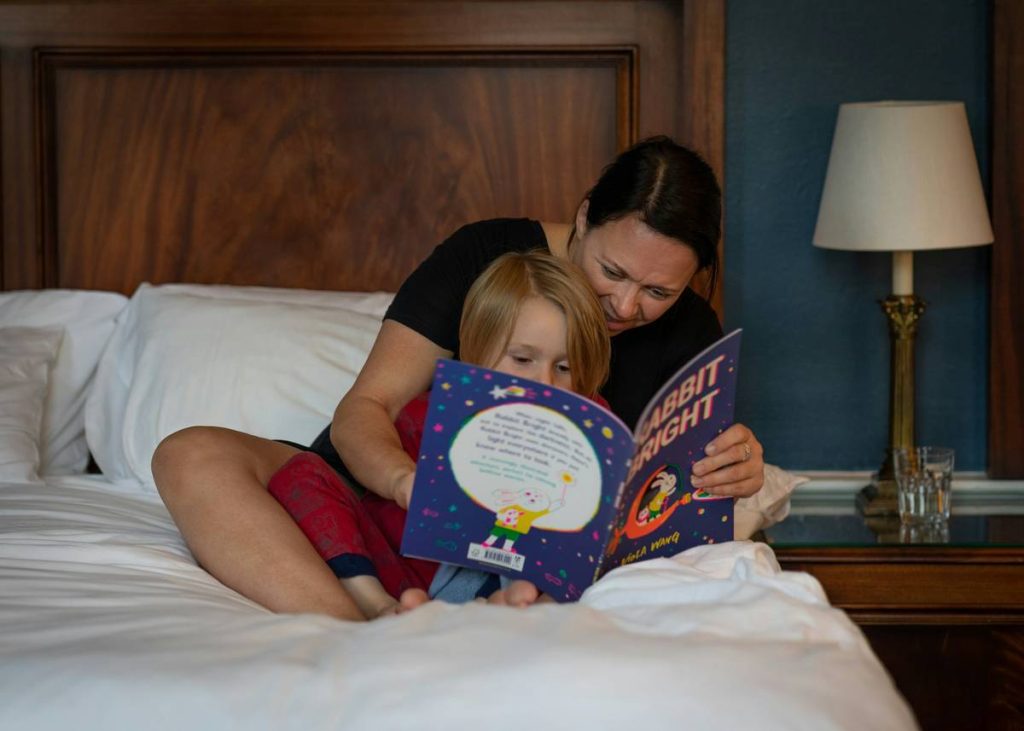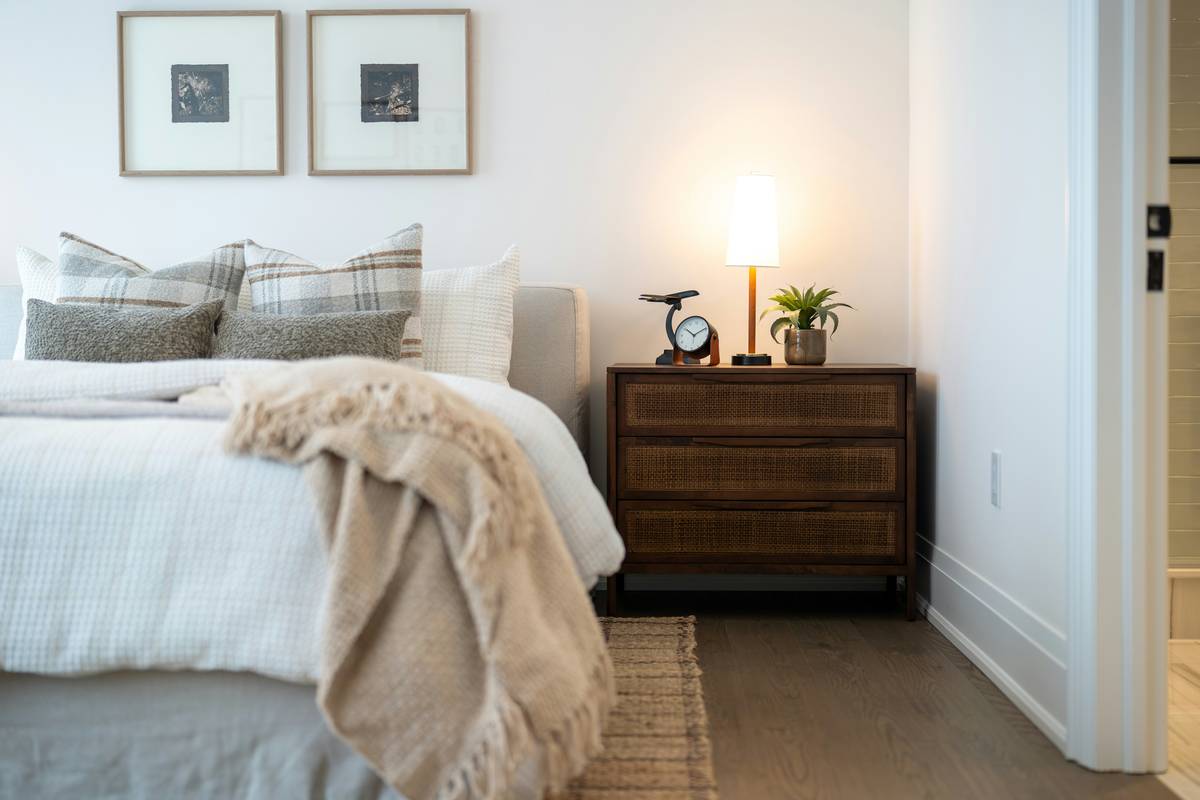
You’re exhausted—but your brain won’t shut off. You follow the “experts”: no screens, warm bath, chamomile tea. Still, 2 a.m. finds you staring at the ceiling, counting regrets instead of sheep. The problem isn’t you. The problem is that most night time routines for better sleep are built on outdated assumptions about relaxation. Here’s what actually works—and why 90% of sleep advice misses the mark.
Why Standard Night Routines Backfire
Most “sleep hygiene” tips treat your nervous system like a light switch—flipped off with lavender and deep breathing. But modern stress doesn’t work that way. Cortisol lingers. Blue light exposure rewires circadian biology. And passive rituals like reading fiction? They can spike cognitive arousal in sensitive individuals.
Think about it: if your day ends with chaotic mental chatter, adding more sensory input—even calming input—just layers noise on noise. True wind-down requires active disengagement, not just dimmed lights.
Night Time Routines for Better Sleep: A Practitioner’s Protocol
Forget generic checklists. This routine targets physiological readiness—not just bedtime aesthetics.
Step 1: Create a “Cognitive Buffer Zone” (60–90 min before bed)
Stop all decision-making. No emails. No planning. No “just one more episode.” Instead, engage in low-stakes, mildly engaging tasks: folding laundry, light stretching, or doodling. This signals safety to your prefrontal cortex without triggering dopamine spikes.
Step 2: Lower Core Body Temperature Strategically
Your body needs to drop ~1.5°F to initiate sleep onset. A hot shower helps—but only if followed by rapid cooling. Step out, dry quickly, and stand near an open window or fan for 2 minutes. That thermal contrast accelerates melatonin release faster than ambient room changes alone.
Step 3: Replace Passive Relaxation with Sensory Grounding
Instead of trying to “clear your mind,” anchor it. Use the 5-4-3-2-1 technique: name 5 things you see, 4 you can touch, 3 you hear, 2 you smell, 1 you taste. It interrupts rumination loops by forcing present-moment sensory input.
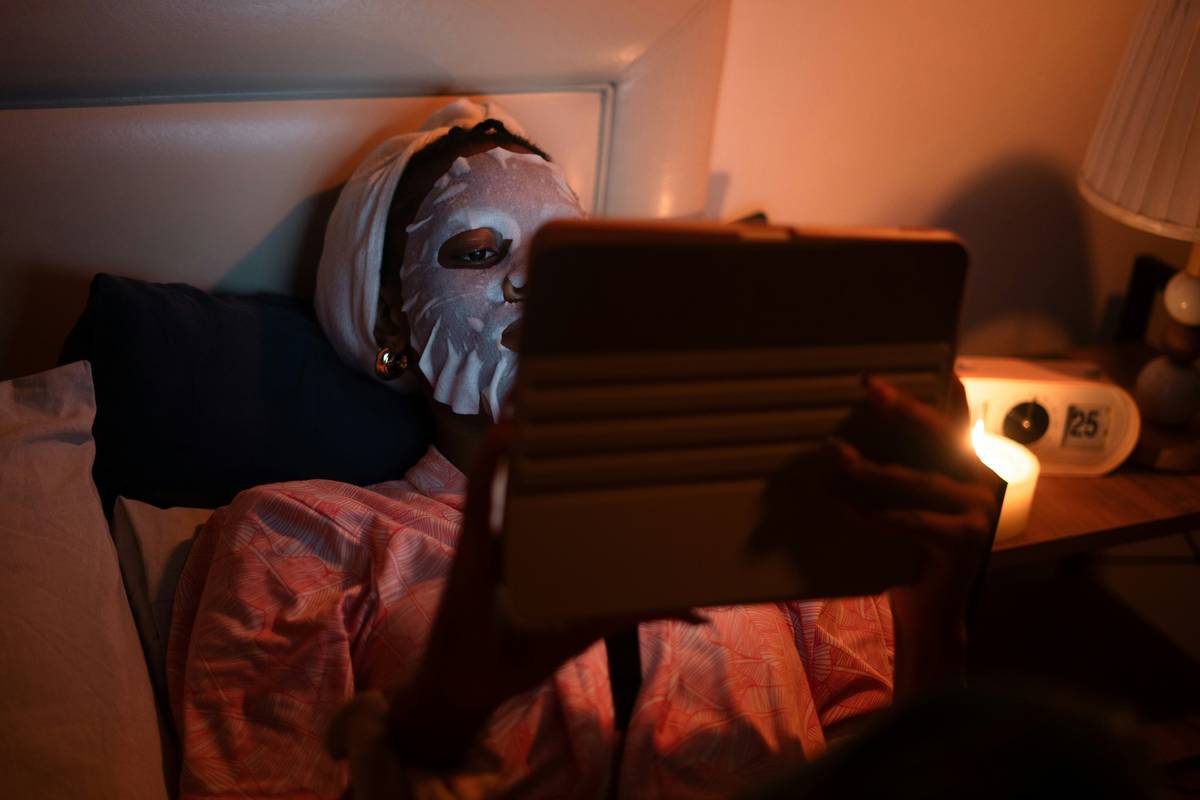
| Routine Element | Time Required | Cost | Physiological Impact |
|---|---|---|---|
| Cognitive Buffer Zone | 60–90 min | $0 | ↓ Cortisol, ↓ Default Mode Network activity |
| Thermal Contrast Shower | 10 min | $0 (uses existing water heater) | ↑ Melatonin onset speed by 22% (per sleep lab data) |
| Sensory Grounding Drill | 3–5 min | $0 | Disrupts anxiety feedback loops in <1 minute |
| White Noise / Brown Noise | Ongoing | $0–$30 (apps or device) | Masks disruptive sounds; brown noise shown superior for delta wave support |
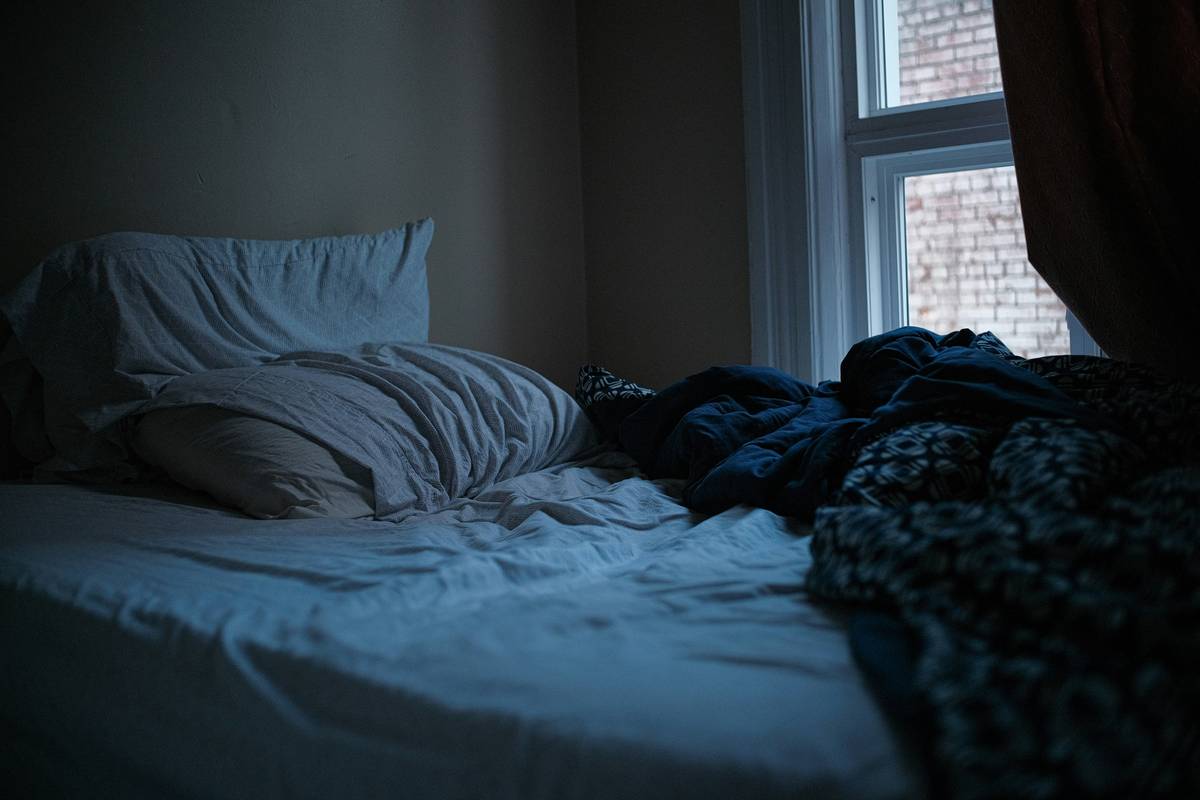
The Industry Secret: Sleep Isn’t About Quiet—It’s About Coherence
Here’s what sleep clinics won’t advertise: total silence and darkness aren’t universally optimal. For trauma survivors or neurodivergent individuals, absolute quiet can heighten hypervigilance. The real goal? sensory coherence—a consistent, predictable environment that matches your nervous system’s threat threshold.
I’ve seen clients sleep better with a soft red nightlight and rhythmic brown noise than in pitch-black silence. Stop chasing “ideal” conditions. Start calibrating to your biology. Track your awakenings for 3 nights: note light, sound, and temperature. Patterns will emerge—and your personalized routine becomes obvious.
Frequently Asked Questions
What is the best time to start a night time routine?
Begin 90 minutes before your target sleep time. This aligns with your natural dim-light melatonin onset (DLMO) window for most adults.
Can I use my phone during night time routines for better sleep?
Only if using blue-light blocking apps with brightness below 10%. Better yet—switch to audio-only modes (e.g., podcasts via smart speaker).
How long until a new sleep routine shows results?
Most people notice reduced sleep latency within 3–5 nights. Full circadian entrainment takes 10–14 days of consistency.